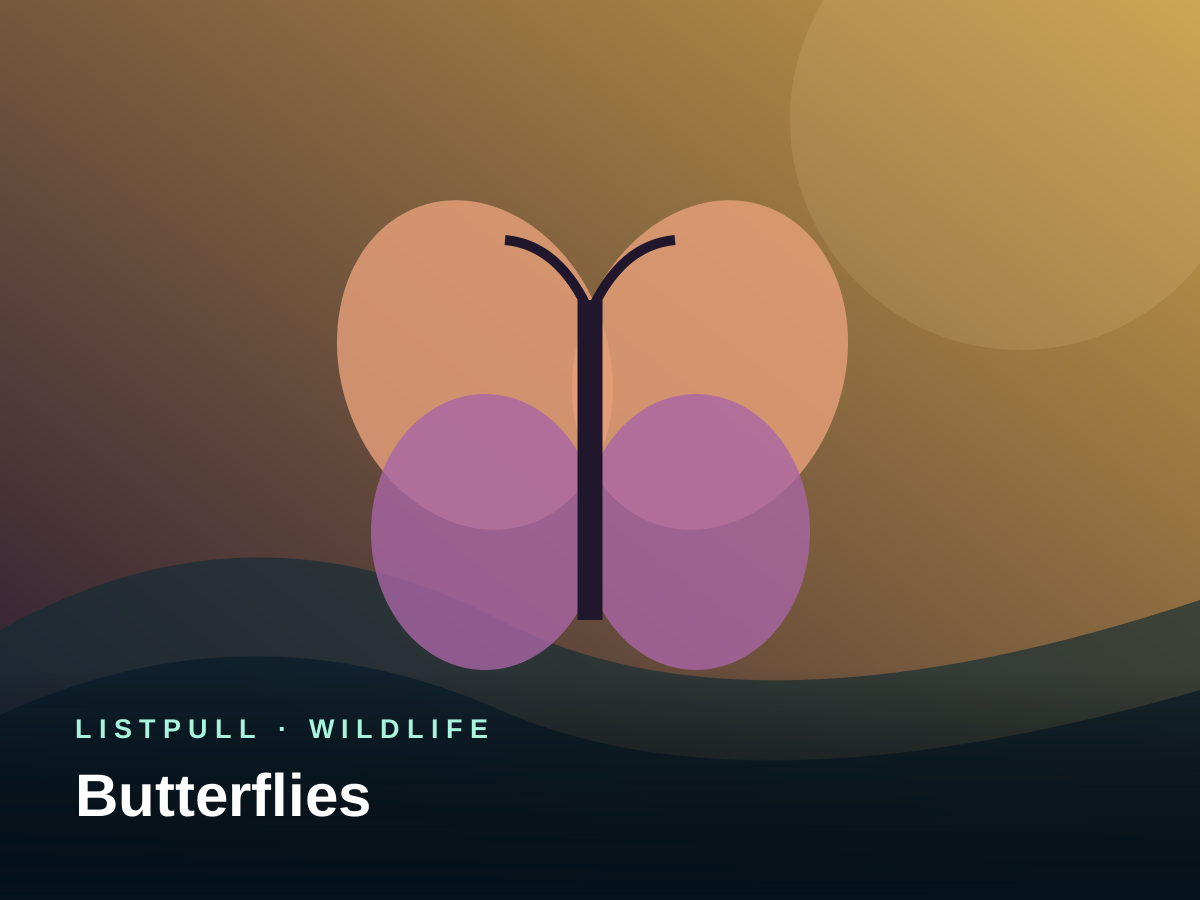
Butterflies are among the most beautiful and fascinating creatures on Earth. These winged insects, with their vibrant colors and graceful flight, are a joy to behold. In this article, we'll explore the world of butterflies: their life cycle, the role they play in nature, and how we can help protect them.
The Life Cycle of a Butterfly
The journey of a butterfly begins as a tiny egg, often laid on the underside of a leaf20. Each species of butterfly lays its eggs on specific plants that the caterpillars will eat once they hatch. This stage is crucial for the survival of the caterpillar, so the mother butterfly chooses the plant carefully17.Once the egg hatches, a caterpillar emerges, ready to eat and grow20. Caterpillars have a huge appetite and will eat almost constantly, shedding their skin several times as they grow13. This stage is all about growth and preparation for the next big change.The caterpillar then transforms into a chrysalis, also known as a pupa20. Inside this protective casing, the caterpillar undergoes a remarkable transformation called metamorphosis. It's here that the caterpillar rearranges itself into the adult butterfly we recognize13.Finally, the adult butterfly emerges with wet, crumpled wings. It will rest, allowing its wings to dry and harden before taking its first flight20. The adult butterfly will then feed on nectar from flowers, using its long, straw-like tongue called a proboscis14.
Butterflies in the Ecosystem
Butterflies are not just pretty to look at; they play a vital role in the ecosystem. As they move from flower to flower, they pollinate plants, helping them to reproduce. This pollination is essential for the production of fruits and seeds, which in turn supports a wide range of other wildlife. Some butterflies also serve as an important food source for other animals, like birds and bats. Their presence indicates a healthy environment and a rich biodiversity19.
Protecting Butterfly Populations
Unfortunately, butterflies face many threats, including habitat loss, climate change, and the use of pesticides19. To help protect them, we can create butterfly-friendly gardens by planting native flowers and avoiding pesticides14. We can also support conservation efforts that protect butterfly habitats and educate others about the importance of these beautiful insects.
Conclusion
Butterflies are more than just beautiful creatures; they are essential players in the health of our planet. By understanding their life cycle and the challenges they face, we can take steps to ensure that they continue to thrive. Let's appreciate and protect these delicate dancers of nature, for they are truly one of its most remarkable gifts.